Communal Area Cleaning in N7 for Flats, Estates, and Shared Buildings
Keeping shared spaces clean is one of the easiest ways to make a building feel cared for, safe, and comfortable. If you are looking for Communal area Cleaning in N7, you are probably dealing with the everyday realities of shared hallways, stairwells, entrances, bin areas, lift lobbies, and other spaces that quickly show wear when lots of people use them. In busy parts of N7, those areas can collect dust, litter, mud, fingerprints, and general grime faster than most residents expect, especially in buildings with frequent foot traffic, limited ventilation, or multiple access points.
A well-maintained communal area does more than improve appearance. It supports a better living or working environment for residents, tenants, visitors, and staff. It also helps reduce complaints, supports better hygiene, and creates a more welcoming first impression from the moment someone steps through the door. Whether you manage a small block of flats, a converted house, a mixed-use property, or a larger estate, professional cleaning can make a real difference.
Local property owners and managing agents in N7 often need a reliable service that understands the layout of the area, parking limitations, shared entrances, and the variety of buildings found around the neighbourhood. From Victorian conversions and purpose-built apartment blocks to commercial premises and mixed residential buildings, the right cleaning routine needs to be practical, consistent, and flexible enough to suit the property rather than forcing the property to fit a one-size-fits-all plan.
Why communal area cleaning matters in N7

Shared spaces receive constant use, which means dirt builds up gradually and can be easy to ignore until it becomes noticeable. In N7, where many properties see regular comings and goings, communal hallways and staircases can quickly gather dust, shoe marks, splashes, cobwebs, and debris brought in from outside. Clean communal spaces help keep residents happier and can support a stronger sense of pride in the building.
Good communal area cleaning is especially important where families, professionals, older residents, and visitors use the same entrance. People notice whether handrails are wiped, floors are swept, bins are managed properly, and touchpoints are kept hygienic. Professional communal cleaning helps prevent these spaces from becoming neglected, and it can also reduce the strain on residents who would otherwise have to organise ad hoc cleaning themselves.
For landlords and managing agents, regular cleaning also helps protect the building’s condition over time. Dust and dirt can become harder to remove if they are left too long. Marks on painted walls, stair nosings, or glazed doors may be more difficult to tackle later. A dependable routine is often the simplest way to keep standards steady without needing major remedial work.
Common shared areas we clean
Every building is different, but most communal cleaning schedules in N7 include a mixture of the following areas:
- Entrances and lobbies
- Staircases and landings
- Lifts and lift lobbies
- Internal corridors
- Door handles, push plates, and handrails
- Glass panels, mirrors, and interior doors
- Bin stores and waste areas
- Post areas and letterbox surrounds
- Shared lounges or resident common rooms
- External communal thresholds and sheltered access points
What a communal cleaning service typically includes
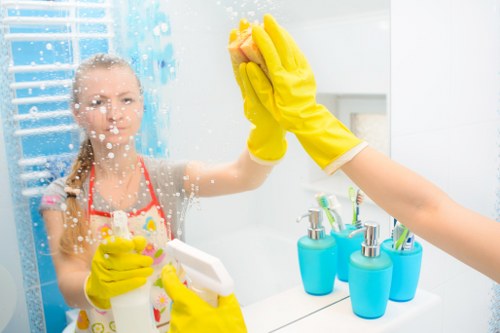
A professional service should be tailored to the building, not copied from another property. In practice, that means cleaning tasks may vary depending on the number of floors, the level of foot traffic, the type of flooring, and whether the building is residential, commercial, or mixed-use. The goal is to keep shared areas looking neat, hygienic, and presentable throughout the week.
Most customers searching for communal area cleaning in N7 want a service that covers the visible details as well as the small things that make a space feel fresh. That might include sweeping and mopping floors, vacuuming carpets, wiping skirting boards, cleaning entrance mats, removing litter, and polishing glass surfaces. A good cleaner will also pay attention to corners, edges, and touchpoints that are often missed during quick tidying.
In many properties, consistency matters more than occasional deep cleans. A regular visit schedule means the building stays under control, residents notice the improvement, and management does not need to react to problems after they have already become obvious. For buildings with busy access points or multiple households, that steady approach can be especially valuable.
Typical tasks included in a regular visit
- Dusting and wiping accessible surfaces
- Vacuuming carpeted areas and runners
- Sweeping and mopping hard floors
- Cleaning internal glass, mirrors, and entrance doors
- Wiping handrails, bannisters, and touchpoints
- Removing cobwebs where reachable
- Cleaning lift surrounds and button panels
- Emptying and tidying communal bins where agreed
- Spot-cleaning marks on walls, skirtings, and doors
- Reporting noticeable issues that may need attention
Extra attention for high-use buildings
Some properties need more than a basic surface clean. Busy blocks near transport links, busy roads, or commercial units may require more frequent attention to manage dust, grit, and debris. In those cases, a local cleaning team can adjust the visit pattern and task list to reflect what the building actually experiences every week.
Why local knowledge matters for N7 properties
N7 includes a mix of residential streets, apartment blocks, converted properties, and commercial premises, so there is no single cleaning approach that suits every site. Some buildings have narrow hallways and stairs that make equipment access awkward. Others have shared entrances with limited parking or loading space nearby. A local company that works in and around N7 is better placed to plan visits around these realities.
Properties in areas such as Holloway, Tufnell Park, and nearby parts of Islington and North London often have unique access arrangements, from key-coded doors and intercom systems to separate refuse enclosures and side entrances. Cleaning teams familiar with the area are more likely to arrive prepared, work efficiently, and minimise disruption to residents or occupants.
This local familiarity also helps when properties have specific routines. For example, some buildings need early-morning cleaning before residents leave for work, while others prefer visits during quieter daytime windows. A local service can usually accommodate the practical side of the schedule more easily, which makes life simpler for property managers and residents alike.
Types of buildings commonly served in N7
- Purpose-built apartment blocks
- Converted Victorian and Edwardian buildings
- Modern residential estates
- Mixed-use developments with shops or offices below flats
- Student accommodation and shared housing
- Small managed blocks
- Commercial shared premises
Practical benefits for busy buildings
Local communal cleaning is not just about appearance. It can help reduce resident complaints, support better day-to-day hygiene, and keep shared spaces easier to manage between more intensive maintenance visits. In buildings where people move in and out often, that can save time and improve the overall experience for everyone who uses the property.
How communal area cleaning works

Most customers want a straightforward service that is easy to arrange and easy to maintain. A good process usually begins with a brief discussion about the building, the number of floors, the areas that need attention, and how often cleaning should take place. From there, the schedule can be shaped around the needs of the site rather than around a rigid template.
Once a plan is agreed, the cleaner or cleaning team attends on the scheduled days and completes the agreed tasks. In some properties, that may mean weekly visits. In others, it may be two or more times per week, or a combination of regular cleaning and periodic deeper work. Buildings with heavier traffic or more residents may also benefit from seasonal adjustments, especially during wetter months when mud and moisture are tracked in more often.
A reliable communal cleaning service should also be responsive. If a site develops a recurring issue such as litter build-up by the entrance, dirty handrails, marks on doors, or a bin store that needs more frequent attention, the plan should be reviewed. Good service adapts to the property rather than leaving the customer with the same routine when the building has clearly changed.
What you can expect from the process
- Initial discussion about the building and cleaning needs
- Review of access, schedule, and priority areas
- Agreed cleaning routine based on your property type
- Regular visits with consistent task completion
- Optional adjustments if the building’s needs change
- Simple communication about any issues noticed during cleaning
Hygiene and presentation go together
A clean communal area does more than look presentable. It makes residents feel that the building is cared for, helps maintain a more pleasant environment, and can reduce the sense of neglect that sometimes develops in shared properties. For landlords and managing agents, that visible care can be just as important as the actual cleaning work itself.
What makes a good communal area clean in N7?
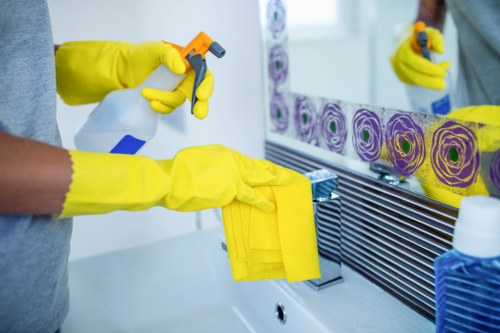
In a busy urban area, cleaning standards need to be practical and detailed. A good clean should be noticeable without being disruptive. Floors should be free from dust and grit, touchpoints should feel fresh, and high-traffic spaces should look maintained rather than just quickly tidied. The best results usually come from a blend of routine care and close attention to the problem spots that affect how a building feels day to day.
For example, entrances in N7 can pick up a lot of outdoor dirt, especially in wet weather or where foot traffic is constant. Stairwells can collect dust in corners and around edges. Lift lobbies, post areas, and bin access points may need extra attention because they are often the spaces residents notice first. A thoughtful cleaning plan keeps these spaces under control before they become a nuisance.
Communal cleaning in N7 should also fit the character of the property. A modern block may need polished hard floors and regular glass cleaning, while an older conversion may need more care around paintwork, stair edges, and narrower landings. The service should support the building’s day-to-day use while protecting its condition for the long term.
Signs your building may need more frequent cleaning
- Residents often complain about dirty hallways or stairs
- Entrance mats are getting overloaded with dirt
- Handrails and doors look marked soon after cleaning
- Dust and debris collect in corners and along skirting boards
- Bin areas smell untidy or look unmanaged
- Shared areas no longer feel welcoming to visitors
Regular care versus occasional deep cleaning
Routine cleaning is the backbone of good maintenance. Deep cleaning has its place, but it is usually the regular visits that keep shared spaces presentable week after week. Many property managers choose both: routine upkeep to maintain standards, and periodic deeper attention for areas that need more intensive work from time to time.
Benefits for landlords, managing agents, and residents
When a communal area is cleaned properly, everyone benefits. Residents enjoy a more pleasant environment, landlords protect the image of their property, and managing agents can reduce the time spent dealing with avoidable complaints. It is a simple service with a wide impact, particularly in shared buildings where people’s experience of the property starts the moment they walk in.
For landlords, well-kept communal spaces can help preserve the condition of fixtures and fittings. Dirt, moisture, and general neglect can contribute to premature wear if they are not dealt with regularly. For residents, a clean hallway or staircase can create a more comfortable sense of home and make shared living feel less stressful. For commercial occupiers, tidy entrance areas can support a better professional impression.
There is also a practical side. In many blocks, cleaning helps keep routes clearer and easier to use, especially where debris or clutter can create unnecessary inconvenience. A consistent approach can make a property easier to manage and less likely to drift into poor condition over time.
How regular cleaning supports property standards
- Improves first impressions for residents and visitors
- Helps prevent build-up of dust, grime, and litter
- Reduces cleaning pressure on residents
- Supports better hygiene in shared-touch areas
- Helps maintain a tidy, professional appearance
- Makes issues easier to spot before they become bigger problems
Preparing for a communal cleaning visit
One of the advantages of a professional service is that preparation is usually simple. You do not need to rearrange the building, but a few basic steps can help the cleaner work efficiently and safely. This is especially useful in older properties, narrow stairwells, and buildings with shared access controls.
If the team is visiting a block in N7, it helps to make sure access arrangements are clear and any relevant instructions are up to date. For example, the cleaner may need details about entrance codes, preferred arrival times, where bins are stored, and whether there are any areas that should be avoided during certain hours. Clear communication keeps the service smooth and predictable.
It is also helpful to keep communal spaces reasonably clear of personal items. Shoes, prams, boxes, bikes, or loose bags can all make cleaning slower and less effective. While a cleaning team can work around some items, a cleaner floor space usually means better results and less chance of something being missed.
Simple preparation checklist
- Share access details and any building instructions
- Remove personal items from shared walkways where possible
- Flag any fragile surfaces or special floor types
- Let the team know about priority problem areas
- Confirm preferred visit frequency and timing
- Report any maintenance issues that should not be cleaned around
Pricing factors for communal area cleaning
Customers often ask what affects the cost of communal area cleaning. While exact prices depend on the property and the required service level, there are several common factors that influence the quote. Knowing these in advance helps property owners and managers choose a service that fits the building’s needs and budget without paying for tasks they do not require.
The main considerations usually include the size of the building, number of floors, frequency of visits, level of foot traffic, and the type of surfaces involved. A small shared house will usually need a different approach from a large apartment block with multiple entrances and lift access. Likewise, a bin store or external threshold may add extra cleaning time compared with a simple internal hallway.
It is sensible to request a quote based on the actual property rather than a rough estimate. That way, the cleaning plan can be tailored to your building’s layout, resident usage, and access arrangements. A transparent discussion at the start makes it easier to agree on the right level of service and avoids confusion later.
Common factors that affect the quote
- Number of floors and communal areas
- Building size and layout
- How often cleaning is needed
- Current condition of the property
- Any specialist tasks or high-use problem areas
- Access requirements and time restrictions
- Whether the property is residential, commercial, or mixed-use
Why choose a local company for communal area cleaning in N7
A local company brings practical advantages that matter in real day-to-day service. They are more likely to understand the types of buildings in N7, the pace of life in the area, and the access challenges that can come with shared properties. They can also usually respond more quickly to site-specific needs and are better positioned to keep regular appointments without unnecessary travel delays.
Local teams often have more experience with nearby estates, residential roads, and mixed-use areas where parking can be limited and timing matters. In a neighbourhood like N7, where some properties are tucked behind main roads and others sit in busy residential streets, that local familiarity can make the service feel smoother and more dependable.
Choosing a local provider also makes it easier to maintain a regular working relationship. That matters because communal cleaning is not a one-off job. It is an ongoing service where trust, consistency, and communication make a big difference. If you want fewer headaches and a property that stays tidy, a local team is often the practical choice.
Reasons customers value a local service
- Better understanding of local property types
- More practical handling of access and parking challenges
- Flexible scheduling around the needs of the building
- Quicker response to changes in service requirements
- More consistent communication with the customer
Areas covered around N7
Communal area cleaning in N7 often extends beyond one street or one type of building. Customers in the wider area may need regular cleaning across nearby neighbourhoods and local property clusters, especially where shared buildings sit close to transport routes, busy roads, or mixed residential and commercial zones. A local service can usually support properties across surrounding parts of North London as part of a regular route.
Common nearby areas may include Holloway, Tufnell Park, Archway, Highbury borders, and neighbouring parts of Islington and surrounding North London communities. The exact service area will depend on the job, but the idea remains the same: a local, flexible cleaning service that can support shared properties without unnecessary delay.
If you manage multiple properties across the area, a local provider can also help keep standards aligned from one site to another. That is particularly useful for landlords or managing agents who want a steady level of presentation across several blocks rather than having to coordinate separate arrangements everywhere.
Frequently asked questions
How often should communal areas be cleaned?
That depends on the building. Some small properties may only need weekly visits, while busy blocks or buildings with high resident turnover may need cleaning more often. The right schedule depends on traffic, layout, and how quickly the property shows dirt.
Can you clean both residential and commercial communal spaces?
Yes. Many buildings in N7 are mixed-use, so it is common to clean shared entrances, corridors, lobbies, staircases, and other communal areas used by residents, tenants, or staff.
Do communal cleaning services include bin areas?
They often can, depending on the agreement. Bin stores and refuse areas usually need separate attention because they can become dirty more quickly than internal hallways. It is worth discussing this at the quotation stage.
What if our building has awkward access or limited parking?
That is very common in N7 and surrounding areas. A local service is usually better equipped to work around restricted access, narrow entrances, and limited parking because those issues are part of the normal routine in many neighbourhood properties.
Can the service be tailored to our block?
Yes. A good communal cleaning plan should be shaped around your building’s exact needs, including the number of floors, flooring type, level of use, and any problem areas that need extra care.
Do we need to provide cleaning materials?
This depends on the arrangement, but many services can be organised in a way that suits the building. The key point is to agree expectations clearly before the cleaning schedule begins.
Book communal area cleaning in N7
If your shared spaces are starting to look tired, dusty, or hard to manage, now is a good time to put a proper cleaning routine in place. Communal area Cleaning in N7 should make life easier for everyone who uses the property, from residents and visitors to landlords and managing agents who want a dependable standard across the building.
Whether you need regular hallway cleaning, staircase cleaning, lift lobby upkeep, bin area attention, or a tailored service for a mixed-use building, the best next step is to request a quote based on your property. That gives you a clearer idea of what can be included and how the schedule can work around access and usage patterns.
Contact us today, request a free quote, or book your service now if you are ready to improve the condition of your communal spaces. A consistent local cleaning service can make a noticeable difference to how your building looks, feels, and functions every week.
Ready to get started?
Ask for a tailored cleaning plan that fits your block, your schedule, and your residents. If you manage a property in N7 and want a straightforward way to keep shared areas presentable, professional communal cleaning is a smart place to start.