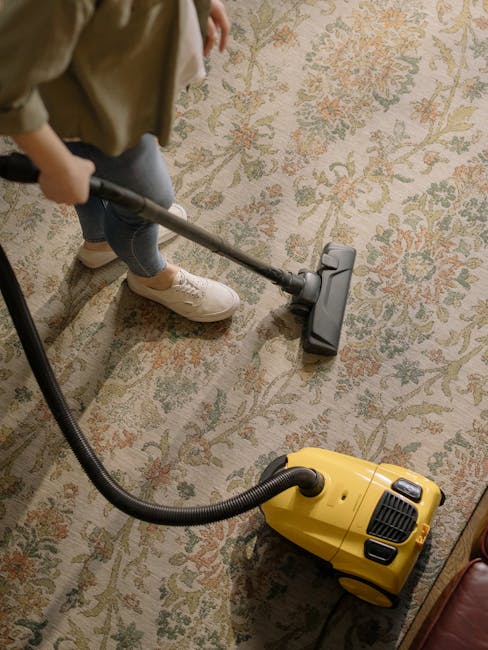
Tufnell Park Station carpet cleaning and stain removal guide
Posted on 12/08/2026
If you live, work, or rent near Tufnell Park Station, carpets take more of a beating than most people realise. Shoes bring in grit, hallway runners collect street dust, coffee ends up on the lounge pile, and one busy evening can leave a stain that seems to settle in for good. This Tufnell Park Station carpet cleaning and stain removal guide pulls the whole thing together in plain English: what works, what does not, when to act fast, and when to stop tinkering and get help. The goal is simple enough. Keep your carpets looking decent, smelling fresh, and lasting longer without making a small mark turn into a permanent problem.
Near a station, carpets also see a different kind of traffic. Think wet umbrellas, takeaway spills, pets skidding in from the pavement, and the odd muddy footprint after a damp London morning. Truth be told, most carpet damage comes from delay, not drama. The faster you understand the stain and the fibre, the better your odds.
For broader local cleaning context, you may also find our carpet cleaning in N7 page useful, and if you want to understand the wider service offer, there is a practical overview on services overview. If you are curious about the people and place behind the work, the local read on about us gives a bit more background.
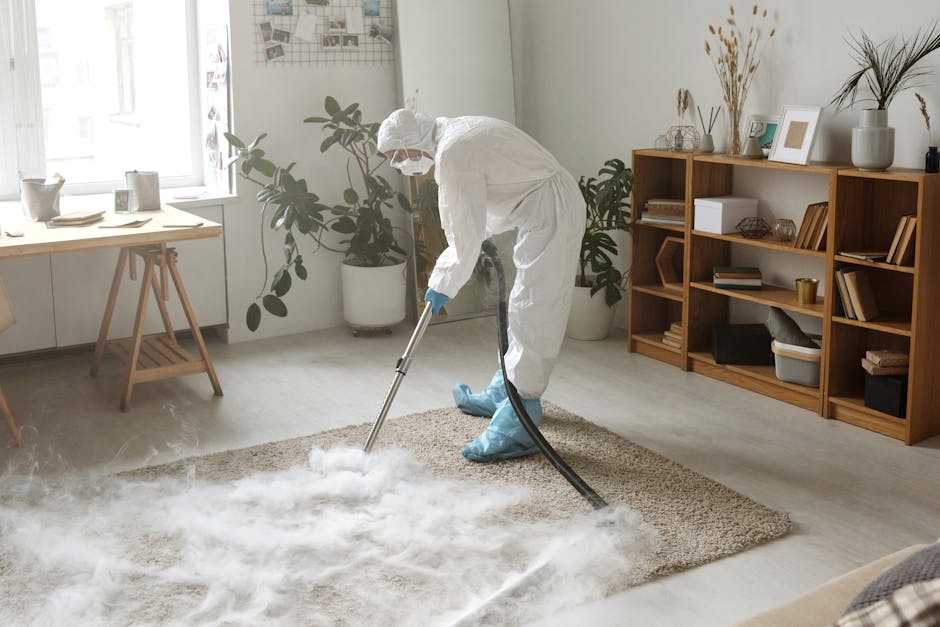
Why Tufnell Park Station carpet cleaning and stain removal guide Matters
Tufnell Park Station sits in a busy part of North London, where homes and workspaces are often close to the rhythm of the street. That matters because carpet care is not just about appearances. It affects comfort, indoor air feel, hygiene, and how long a floor covering stays in decent shape. A clean carpet can make a room feel calmer almost instantly. A stained one, on the other hand, does the exact opposite. You notice it every time you walk in.
Stains are also deceptive. A mark that looks minor on day one can spread below the surface, attract more dirt, or dry in a way that makes it harder to remove later. Some spills oxidise over time. Some foods, drinks, and cosmetic products bond with fibres in awkward ways. Let's face it, carpet is brilliant at hiding what is already going wrong.
This guide is especially useful if you are trying to decide whether to spot clean, deep clean, or book a professional. It is also handy if you are juggling local realities such as narrow staircases, older property layouts, mixed carpet types, or a lease-end deadline. For tenants preparing a move, the end of tenancy cleaning N7 page is a sensible next stop. For households that want recurring help rather than a one-off fix, domestic cleaning N7 and house cleaning N7 are both relevant ways to think about upkeep.
Expert summary: The best carpet cleaning results usually come from three things working together: quick stain response, the right cleaning method for the fibre, and enough drying time. Miss one, and the result is usually... a bit annoying.
How Tufnell Park Station carpet cleaning and stain removal guide Works
Good carpet cleaning starts with identification. Different fibres and stains need different treatment. A wool carpet does not behave like synthetic polypropylene. A tea spill is not the same as oil, ink, wax, or pet urine. Once you know what you are dealing with, you can choose the safest path instead of attacking the mark with guesswork.
In practical terms, the process usually follows a simple sequence:
- Inspect the stain and the carpet fibre. Check the colour, feel, age of the mark, and whether the carpet is natural or synthetic.
- Remove loose debris. Vacuum or lift away crumbs, grit, and surface particles before adding moisture.
- Test a small area. A discreet patch test helps reduce the risk of colour change or fibre damage.
- Apply the right treatment. Blotting, neutral cleaning solution, enzymatic treatment, or solvent-based care may be appropriate depending on the stain.
- Extract or rinse carefully. The aim is to lift residue without overwetting the backing.
- Dry properly. Air movement and patience matter more than most people think.
There are also two broad cleaning approaches. Spot cleaning targets one problem area. Full carpet cleaning treats the whole floor or room, which can help with general freshness, traffic lanes, and stubborn background soiling. For heavier use areas, a professional hot water extraction clean is often a strong option, though it is not ideal for every fibre or every stain. No single method wins everything, which is why a one-size-fits-all answer usually goes wrong in real life.
If you are looking at carpet care as part of a wider property refresh, especially before sale or letting, it can make sense to combine it with other services. Local homeowners sometimes explore upholstery cleaning N7 at the same time, because sofas and carpets tend to share the same story: daily use, then a sudden spill, then a bit of wishful thinking.
Key Benefits and Practical Advantages
Clean carpets do more than look tidy. They change how a room feels, and that is not fluffy language, it is just how people experience a space. A freshly cleaned landing or living room can make the whole home feel lighter, especially near a station where outside dirt arrives with surprising determination.
- Better presentation: helpful for lettings, sales, guest visits, or simply feeling more settled at home.
- Improved hygiene: regular cleaning removes trapped dust, crumbs, and residue that vacuuming alone may miss.
- Longer carpet life: grit acts like sandpaper underfoot, so removing it helps fibres last longer.
- Odour reduction: food, drink, damp, and pet smells often sit in fibres if they are not treated properly.
- Less visible wear: traffic lanes and flattened patches usually look better after a proper clean.
- Better stain control: fast response makes the next spill less stressful, honestly.
There is also a practical money angle. Replacing a whole carpet is a bigger job than cleaning one. Even if a carpet is not perfect, a careful clean can buy time, improve appearance, and delay replacement by quite a bit. Not glamorous, but useful.
Who This Is For and When It Makes Sense
This guide is for anyone dealing with carpets near Tufnell Park Station who wants to make a sensible decision rather than guess. That includes homeowners, tenants, landlords, flatshare residents, local offices, and people preparing for guests or an inspection.
It makes sense to act when you notice any of the following:
- a fresh spill that has not been treated yet
- an old stain that keeps reappearing after DIY cleaning
- traffic marks in hallways or by the front door
- musty or stale smells after damp weather
- pet accidents that need more than surface blotting
- end-of-tenancy cleaning pressure
- allergy sensitivity or general dust build-up
For local landlords or buyers, carpet condition can quietly shape first impressions. If you are viewing or preparing a property in the area, local articles such as Tufnell Park home sales and investing in Tufnell Park sit nicely alongside this topic, because presentation does matter when the market is busy.
And if you are just trying to keep the place pleasant without making a big thing of it, fair enough. Not every carpet problem needs a production.
Step-by-Step Guidance
Here is a practical method you can follow at home before deciding whether you need professional help. Keep it calm. No panic scrubbing. That is where a lot of damage begins.
1. Act quickly, but not aggressively
For fresh spills, blot immediately with a clean white cloth or plain paper towel. Press gently from the outside of the stain towards the centre. Do not rub. Rubbing pushes the liquid deeper and can rough up the pile. If you remember nothing else, remember this bit.
2. Identify the stain type
Water-based stains include tea, coffee, squash, and juice. Grease-based stains include oils, butter, makeup, and some food spills. Protein stains may involve milk, egg, blood, or pet accidents. Dye-based stains, like wine or ink, are trickier and often need more careful treatment. The treatment has to suit the stain, not your mood.
3. Check the carpet fibre
Synthetic carpets usually tolerate a wider range of cleaning products than wool, but that does not mean anything goes. Wool can shrink, felt, or discolour if handled badly. If you are unsure, test a hidden patch first, especially on older carpets or patterned areas where colour transfer may not show up immediately.
4. Use the least harsh option first
A mild carpet-safe cleaning solution and cool water often solve more than people expect. Apply a small amount, blot, then lift the residue with a separate damp cloth. Repeat slowly. If the stain starts to fade, stop overworking it. Over-cleaning can leave a ring or spread the mark wider.
5. Rinse lightly and dry well
Leftover cleaner can attract dirt later, so a light rinse or tidy extraction step is helpful. Then dry with airflow. Open windows if weather allows, use fans if available, and avoid walking on the area too soon. Damp carpets can trap odour, especially in cooler London interiors. Annoying, but true.
6. Decide whether to escalate
If the stain persists, smells remain, or the carpet backing feels damp, stop and reassess. Some stains, especially dyes, pet contamination, and old food marks, need more than household spot cleaning. That is where a professional inspection is usually the sensible move.
Expert Tips for Better Results
Small habits make a big difference. In our experience, the best results often come from the boring details, not the dramatic rescue attempt.
- Work from the outside in. This prevents the stain from spreading.
- Use white cloths. Coloured cloths can transfer dye. It happens more than people expect.
- Blot, do not scrub. Scrubbing frays fibres and can leave a fuzzy patch.
- Keep water use modest. Too much moisture can soak the backing and take ages to dry.
- Vacuum before wet cleaning. Loose soil turns into paste once it gets wet.
- Treat odour and stain separately. A stain may be gone while the smell remains, or the other way round.
- Be careful with home remedies. Vinegar, baking soda, and washing-up liquid can help in some cases, but they can also create residue or change texture if used badly.
A useful rule of thumb: if the carpet is valuable, old, natural fibre, or already slightly damaged, less is more. Start mild. You can always do a bit more. You cannot un-do harsh treatment very easily, and that is the bit people learn the hard way.
Also, if you are cleaning a room near the station in winter, remember drying time can stretch. A patch that looks fine after thirty minutes may still be damp below the surface. Patience wins here.
Common Mistakes to Avoid
Most carpet cleaning mistakes are understandable. People are trying to save a stain from becoming a disaster. Still, a few errors show up again and again.
- Rubbing too hard. This is the classic one. It spreads the stain and damages pile.
- Using too much detergent. More cleaner does not equal cleaner carpet. It often means residue.
- Skipping a patch test. Especially risky on wool, dyed fibres, or older carpets.
- Overwetting the carpet. That can lead to slow drying, odour, and possible backing issues.
- Mixing products. Not a clever idea. And no, "just a little extra" is not a method.
- Ignoring the underlay. If spill liquid reaches the base, surface cleaning alone may not solve the smell.
- Waiting too long. The stain has a head start by then.
One small but important mistake is trying to hide a stain under more cleaning before the first attempt has dried. A lot of people do this, then wonder why a ring appears later. Drying can reveal the real result, for better or worse.
Tools, Resources and Recommendations
You do not need a van full of kit for basic carpet care. A few reliable tools are usually enough for sensible maintenance and stain response.
| Tool or product | Best use | Useful note |
|---|---|---|
| Vacuum with strong suction | Daily or weekly soil removal | Helps stop grit grinding into fibres |
| White microfibre cloths | Blotting spills | Safer than coloured towels |
| Carpet-safe spot cleaner | Fresh stains | Always patch test first |
| Soft brush | Lifting pile gently | Use lightly, not aggressively |
| Wet extraction machine | Deeper cleans | Best when used correctly and dried properly |
| Fan or airflow setup | Drying | Very handy in cooler months |
For ongoing cleaning support, it can help to think in layers. General upkeep, deeper periodic cleans, and targeted stain treatment each solve different problems. If your carpets are part of a larger home refresh, coordinating with domestic cleaning can be convenient. If the place is being prepared for handover, end of tenancy cleaning often makes more sense as a bundled approach.
For service reassurance, customers often want to know how a company handles standards, safety, and payments. Those details are set out on pages like health and safety policy, insurance and safety, payment and security, and terms and conditions. That may sound dry, but it is exactly the sort of detail you want clear before anyone starts wet cleaning a floor.
Law, Compliance, Standards, or Best Practice
Carpet cleaning itself is not usually a heavily regulated household task, but best practice still matters. In UK homes and workplaces, the main concerns are safety, product suitability, ventilation, and avoiding unnecessary damage. That means using chemicals according to their instructions, keeping children and pets away from treated areas until dry, and being careful around electrical sockets, furniture legs, or delicate floor finishes.
For rented homes, tenancy agreements may expect carpets to be returned in a reasonably clean condition, allowing for fair wear and tear. The exact wording varies, so it is wise to read the agreement rather than assume. For commercial spaces, housekeeping expectations are often tied to general workplace safety and presentation standards rather than any single carpet rule. A tidy floor can reduce slip risks and gives a better impression to visitors, which is practical enough on its own.
Good practice also includes honest expectations. Some stains are permanent or partially permanent. Some carpets have sun-fading, pile distortion, or pre-existing wear that no cleaner can reverse. A trustworthy cleaner should say that plainly rather than overpromise. That kind of honesty builds confidence, and frankly it saves everyone a headache.
If you want a better sense of local service values, the site's modern slavery statement and privacy policy may not be glamorous reading, but they do help signal how the business handles responsibility and personal data. Small detail, big trust signal.
Options, Methods, or Comparison Table
Different carpets and stains call for different tactics. Here is a simple comparison to help you decide what fits the situation.
| Method | Best for | Strengths | Limitations |
|---|---|---|---|
| Blotting and mild spot treatment | Fresh spills | Quick, low-risk, cheap | May not solve set stains |
| Dry carpet cleaning | Light soiling and faster turnaround | Shorter drying time | Not always enough for deep contamination |
| Hot water extraction | General deep cleaning and traffic lanes | Strong soil removal, good refresh | Longer drying time, not for every fibre |
| Enzymatic treatment | Pet accidents and organic stains | Targets source of odour and residue | Needs correct dwell time and product choice |
| Professional assessment | Unknown stains, delicate carpets, severe marks | Safer decision-making, less guesswork | Costs more than DIY |
If you are comparing options, the real question is not "what is strongest?" It is "what is safest and most effective for this exact carpet?" That slightly boring question is the one that usually saves the carpet.
Case Study or Real-World Example
A typical local scenario goes like this. A flat near Tufnell Park Station gets a couple of visitors on a Friday evening. One glass of red wine tips over on a pale carpet. The spill is blotted, but then a damp cloth with too much detergent is used, followed by more rubbing because the mark still shows. By the next morning there is a faint ring, a slightly rough patch, and everyone is annoyed.
What would have worked better? Immediate blotting, a small patch test, a gentle stain treatment, and then proper drying without overworking the pile. If the mark had already sunk into the fibres or backing, a deeper clean might have been needed. Not because the carpet was ruined, just because the stain had had time to settle in.
We have also seen the opposite. A hallway carpet with years of foot traffic near the front door looked grey and tired, but after a proper deep clean and careful drying, the room felt much fresher. It was not miraculous. The carpet was still the same carpet. But the difference in the space was noticeable the moment you walked in. That is often enough.
If you are living in the area and thinking about wider property presentation, the local blog pieces on what locals say about life in Tufnell Park and Tufnell Park's calmer side capture the feel of the place nicely. It is a neighbourhood where a clean, well-kept home simply fits the mood.
Practical Checklist
Use this quick checklist before, during, or after carpet stain treatment. Handy, plain and simple.
- Identify the stain as best you can.
- Check whether the carpet is wool, synthetic, or mixed fibre.
- Blot immediately with a clean white cloth.
- Avoid scrubbing or spreading the spill.
- Patch test any cleaner in a hidden area.
- Use the smallest effective amount of product.
- Rinse or lift residue carefully.
- Improve airflow and allow full drying.
- Re-check the carpet once dry for rings or remaining odour.
- Escalate to professional help if the stain is old, strong-smelling, or delicate.
Quick reminder: if the carpet looks slightly better but still smells off, the job is not finished yet.
Get a free quote today and see how much you can save.
Conclusion
A good carpet cleaning and stain removal routine near Tufnell Park Station is less about dramatic fixes and more about steady, careful decisions. Act fast on fresh spills. Match the method to the fibre and stain. Avoid overcleaning. Give the carpet time to dry properly. Those basics do most of the heavy lifting.
For homes, rentals, and small businesses alike, the aim is the same: keep the space comfortable, presentable, and easy to live in. Some carpets will bounce back beautifully. Others will need a more cautious approach. Either way, a calm, informed response usually beats panic every time.
And if you are standing there with a blotting cloth in one hand and a sinking feeling in the other, take a breath. It is usually fixable, or at least much better than it first looks. Carpet problems have a way of feeling bigger than they are.